|
Professor
Specialization: Human-Centered Data Science, Human-Centered AI, Visual Analytics, Human-Computer Interaction (HCI), Computer-Supported Cooperative Work (CSCW), eScience, Visualization, Data Science Ethnography, Scientific Collaboration.
|
|
Professor
Specialization: Engineering Education, Engineering Design Learning, Students as emerging engineering professionals, Use of education research to improve student learning.
|
|
Assistant Teaching Professor
Specialization: Human Computer Interaction, Designing for mental health, Popular culture media and wellbeing, Trauma-informed design.
|

Assistant Professor
Specialization: Drinking water treatment, Design for social good, Environmental chemistry, Technology design and implementation.
|

Assistant Teaching Professor
Specialization: Human-Computer Interaction, Physical ergonomics, Bias and tech, Healthcare technologies, Inclusive design.
|

Associate Teaching Professor; Director, HCDE undergraduate program
Specialization: Physical Computing, Information Visualization, Human-Computer Interaction, Learning design, Engineering education.
|
Assistant Professor
Specialization: Constructionism, Data literacy, Digital media and learning, Human-Computer Interaction.
|

Associate Professor
Specialization: Accessible computing, Mobile and wearable technologies, Human-centered AI, Human-Computer Interaction.
|
|
Associate Teaching Professor
Specialization: Critical making, Posthumanism, Systems thinking, Art-science relations.
|

Assistant Professor
Specialization: Grassroots Social Movements, Values in design, Action research, Social computing, Human-Computer Interaction.
|
|
Professor
Specialization: Strategic management of information and communication systems, Risk and resilience, Safety and security systems, Visual analytics.
|
|
Associate Professor
Specialization: Human-Computer Interaction, Social computing, Social media, Tailoring motivators, Persuasive technology.
|
Professor & Chair
Specialization: Human-Computer Interaction, Interaction Design & Children, Health and Wellbeing Technologies, Computer Supported Cooperative Work, Gaming, Accessibility.
|
|
Professor; Associate Chair
Specialization: Technology design for low-resource environments, Innovation, Hacker and maker cultures, Gaming, Design for digital inclusion, Hackademia.
|
|
Professor
Specialization: Computer Supported Cooperative Work (CSCW), Human-Computer Interaction (HCI), Science and Technology Studies (STS), Design processes.
|
|
Assistant Teaching Professor
Specialization: Human-Computer Interaction; Educational technology, privacy and security; Perception, cognition and epistemology; Project, program, product, team, and company management; Teamwork and collaboration; Technology adoption and training.
|
|
Professor
Specialization: Computer Supported Cooperative Work (CSCW), Human-Computer Interaction (HCI), Large scale information systems.
|
|
Professor
Specialization: Social computing, Human-Computer Interaction, Computer Supported Cooperative Work, Health and wellbeing technologies, Personal informatics.
|
|
Assistant Professor
Specialization:
Human-Computer Interaction, Computational Fabrication, Open-Source Hardware, Rapid Prototyping, Robotics, Human-in-the-loop Systems, Laboratory Automation.
|
|
Associate Teaching Professor; Director, MHCI+D
Specialization: Interdisciplinary design innovation; Early-stage product envisioning; Longevity infrastructure; Seniors housing; Architecture, design + equity; UX design; Game development; Collaboration; Community; Leadership.
|
|
Associate Professor
Specialization: Science and Technology Studies (STS), Information studies, Cyberinfrastructures (CI).
|
|
Associate Professor; Director, HCDE Master's & Certificate programs
Specialization: Interaction design; Science and Technology Studies (STS); Digital craft; Repair studies; Design, computing, and fieldwork around digital technology.
|
|
Associate Professor
Specialization: Human-Computer Interaction, Computer Supported Cooperative Work, Crisis Informatics, Human computation, Crowdsourcing.
|
|
Professor; Associate Chair
Specialization: User-centered design, Design processes and Strategies, Human-Computer Interaction, Engineering education, Educating reflective practitioners, Technology adaption.
|
|
Associate Teaching Professor; Director of Academic Programs, Global Innovation Exchange (GIX)
Specialization: Design and product strategy, Ethnographic research, Innovation, User-Centered Design.
|
|
Professor; Director, HCDE Master's & Certificate programs
Specialization: Human-computer interaction, Social computing, Technology for social change, Communicative practices of organizations, Interdisciplinary studies.
|

 Cynthia Atman
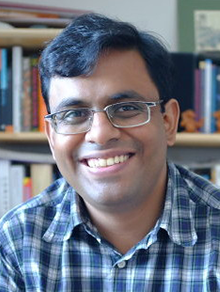 Sayamindu Dasgupta
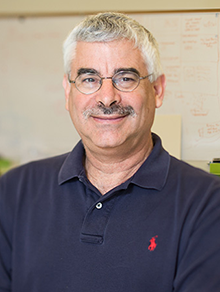 Mark Haselkorn
 Gary Hsieh
 Julie Kientz
 Beth Kolko
 Charlotte P. Lee

 Sean A. Munson



 Kate Starbird
 Jennifer Turns
 Linda Wagner